Home/Care Guides/Brazilian Salmon Pink Birdeater

Brazilian Salmon Pink Birdeater

Lasiodora parahybana

LasiodoraTheraphosidae

beginner

Overview

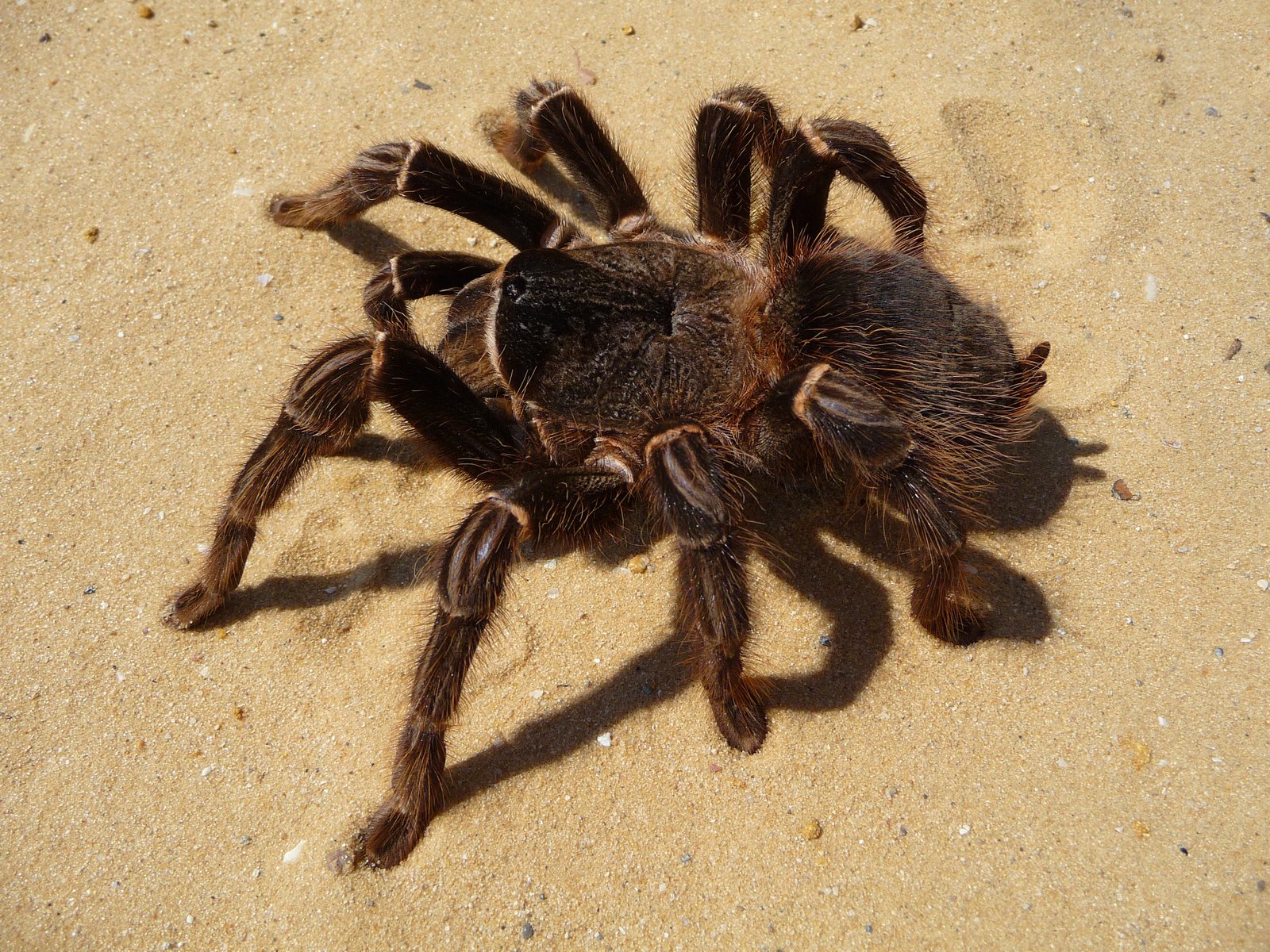
## Overview One of the largest tarantulas in the world, ranking as the 4th largest behind the three Theraphosa species. First described by Mello-Leitão in 1917, this impressive New World terrestrial is renowned for its massive size, rapid growth rate, bold personality, and aggressive feeding response. The genus name Lasiodora derives from Greek meaning 'hairy gift,' referencing the dense bristles covering its body. Despite its intimidating size, L. parahybana is generally docile and makes an excellent display species as it frequently sits out in the open rather than hiding.

## Husbandry

### Temperature Ideal: 77°F Range: 70-82°F Room temperature is typically adequate for most keepers. If house drops below 70°F frequently, supplemental heating via space heater is recommended. Avoid heat mats placed under the enclosure as this species burrows.

### Humidity Range: 60-80% Less sensitive to humidity variations than Theraphosa species. Maintain moisture in substrate without keeping it wet. Water dish and occasional misting sufficient. Slings are particularly susceptible to desiccation.

### Substrate Type: Coconut fiber, peat moss, or ABG mix Depth: 4-6 inches for adults, 2-3 inches for slings

### Feeding Prey: Crickets, Dubia roaches, Superworms, Hornworms Juvenile: 2-3 times per week with appropriately sized prey Adult: Once every 7-10 days

## Behavior Temperament: Docile but bold Activity Level: High

Generally tolerant and rarely gives threat posture - prefers retreat over confrontation. Will readily kick urticating hairs when disturbed. Bold personality - often walks toward opened enclosure. Excellent display species - frequently visible. Creates shallow burrows, especially as juveniles. Can move very quickly when startled.

## Special Considerations

### Urticating Hair Warning L. parahybana possesses Type III urticating hairs which are among the most irritating types. They will kick hairs readily when disturbed during maintenance. Use caution - consider wearing gloves and avoid touching face. Hairs can cause significant skin irritation and potentially serious eye injury.

### Size and Fall Risk As a heavily-bodied terrestrial species, falls can be fatal. A drop of even a few inches can rupture the abdomen. Enclosure height should not exceed 2x leg span. Handle only when absolutely necessary and keep very low to soft surfaces.

### Feeding Response Caution This species has an extremely aggressive feeding response and will lunge at prey with considerable force. Use long tongs when feeding and be aware the spider may strike at anything entering the enclosure.

### Display Species Excellence Unlike many terrestrial tarantulas that remain hidden, L. parahybana spends significant time visible in the open. Their bold nature, impressive size, and salmon-pink coloration make them one of the best display tarantulas available.

Husbandry Requirements

Temperature & Humidity

Temperature

70-82°F

Humidity

60-80%

Enclosure Sizes

Adult:18"L x 12"W x 12"H minimum

Substrate

Type:Coconut fiber, peat moss, or ABG mix
Depth:4-6 inches for adults, 2-3 inches for slings

Feeding Schedule

Juvenile:2-3 times per week with appropriately sized prey
Adult:Once every 7-10 days

Prey size: Crickets, Dubia roaches, Superworms, Hornworms

Quick Stats

Type

terrestrial

Adult Size

8-11"

Growth Rate

very fast

Native Region

Northeastern Brazil, specifically the Paraíba region in the Atlantic Forest - tropical forest floors

Temperament

Docile but bold

Behavior

Webbingminimal
BurrowingYes
Water DishRequired

Track Your Collection

Log feedings, molts, and growth with Tarantuverse - our free companion app for keepers.

Visit Tarantuverse →